
Managing the cost of building a new home while maintaining quality is a balancing act faced by homeowners and builders alike. Whether you are planning a new build or improving an existing property, there are proven approaches to keep expenses under control and achieve a durable, well-designed result. For anyone considering construction in Florida or beyond, adopting smart strategies early on can have a long-term positive impact on both your budget and final outcome.
Strategic planning, innovative construction methods, and careful material choices can all make a meaningful difference. By exploring various cost-saving tactics and understanding where to invest for maximum value, you can sidestep common financial pitfalls without cutting corners on craftsmanship.
In addition to building from the ground up, focusing on effective remodeling techniques can also help achieve cost-efficient results, whether your goal is to upgrade a single room or overhaul an entire property.
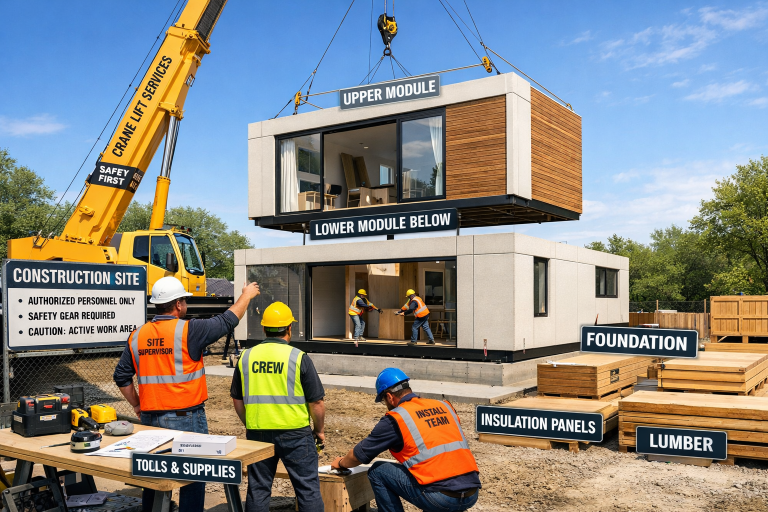
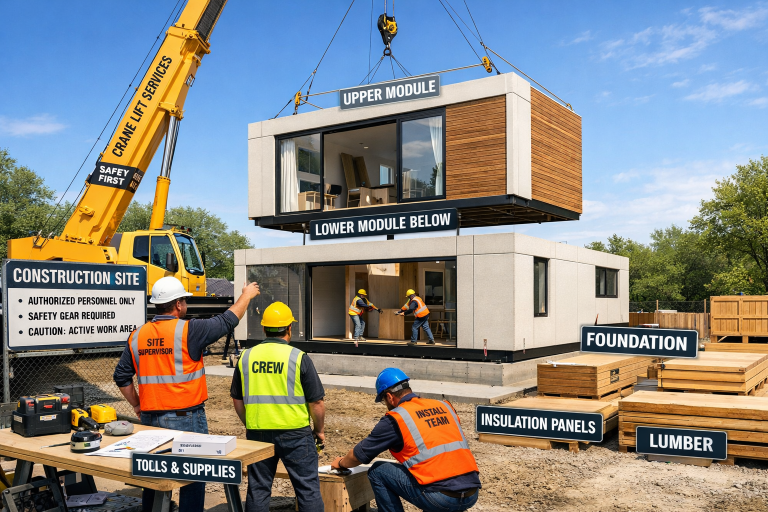
Embrace Modular and Prefabricated Construction
Modular and prefabricated construction refers to the practice of building home components off-site, typically in a controlled factory setting, and then assembling them at the project location. This method can significantly reduce timelines, with site preparation and component construction often occurring simultaneously. Modular building reduces waste and errors, leading to savings of up to 20% on average, according to studies by the National Institute of Building Sciences. Consistent quality control is another advantage, as standardized conditions ensure each module meets strict specifications.
Implement Building Information Modeling (BIM)
Building Information Modeling, or BIM, is a digital approach that integrates every aspect of a construction project into a 3D model. This solution delivers value in cost savings, precise coordination, and time reductions, especially for projects involving remodeling, where existing structures must be accurately incorporated. One primary benefit is clash detection, which identifies and resolves conflicts between systems, such as plumbing and electrical systems, before construction begins. Enhanced collaboration between architects, engineers, and contractors improves communication and reduces delays, while BIM’s data-rich environment supports detailed lifecycle management for maintenance and future upgrades.
Opt for Energy-Efficient Designs
Energy-efficient design plays a vital role in lowering utility bills and boosting a home’s value over time. Upgrading insulation and investing in energy-efficient windows help maintain comfortable indoor temperatures, reducing heating and cooling costs. Implementing solar panels, though requiring upfront investment, delivers ongoing savings and environmental benefits. Selecting Energy Star-rated appliances or high-efficiency HVAC systems also supports lower long-term operating costs.
Choose Cost-Effective Materials
Material selection can have a major impact on overall expenditure. There are several options for balancing cost without sacrificing durability or appearance. Recycled steel offers strength and sustainability at a reduced price point, while reclaimed wood introduces natural character and eco-friendliness. Locally sourced materials reduce transportation costs and support nearby businesses, which can further improve project timelines and community relations.
Plan Thoroughly Before Construction Begins
Careful pre-construction planning is essential for keeping costs in check. Finalizing architectural plans and design decisions at the start avoids expensive changes later. Reliable cost estimates and transparent bids help homeowners understand where their funds are allocated, while contingency planning prepares for unexpected overruns. According to research from the New York Times, the best-run projects are typically those with the most thorough pre-construction plans.
Leverage Bulk Purchasing and Supplier Relationships
Purchasing materials in larger quantities, when feasible, can yield discounts and allow projects to lock in lower prices. Building relationships with reliable suppliers might grant access to priority ordering, faster delivery, or exclusive deals. It is crucial, however, to match bulk orders with realistic needs in order to avoid overbuying and tying up budget on unnecessary inventory.
Minimize Change Orders
Change orders, adjustments made after construction begins, often lead to cost increases and project delays. Situations where designs, finishes, or layouts are modified mid-project introduce labor and material inefficiencies. To minimize change orders, establish clear project goals and secure accurate plans up front. Maintain consistent, open communication among all parties to ensure expectations are aligned.
Utilize Digital Construction Management Tools
Digital construction management tools have revolutionized how homes are built and projects are delivered. Solutions like cloud-based dashboards, real-time cost tracking, and digital document storage reduce errors, streamline approvals, and improve coordination. With access to up-to-date project data, decision-makers can act quickly, track milestones, and maintain transparency, all of which support timely project delivery and budget adherence.
Final Thoughts
Effective residential construction requires more than just quality building techniques. Success is rooted in smart, cost-efficient strategies that address both immediate expenses and long-term value. Whether you are building a new home or investing in property updates, embracing modular construction, leveraging digital management tools, and prioritizing thorough planning will pay dividends. By selecting sustainable materials and focusing on energy efficiency, you can further maximize your investment while maintaining the level of quality and comfort you desire.