
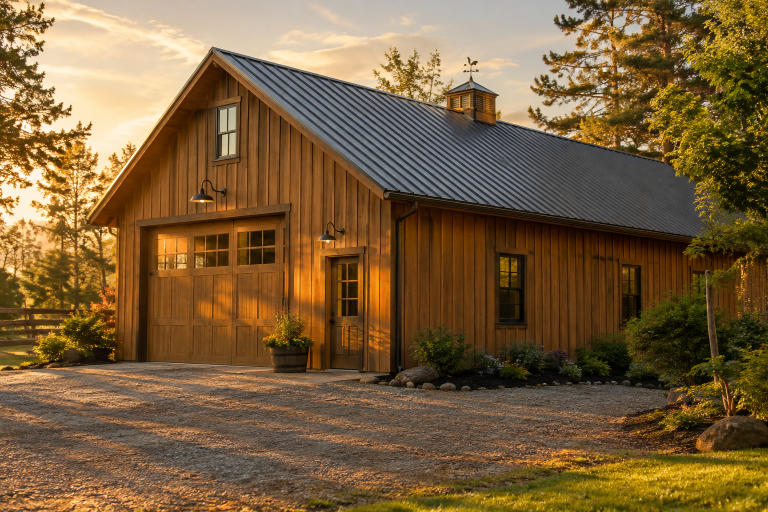
Exterior cladding does more than define a building’s appearance. It is a protective layer that must handle weather, everyday impacts, moisture, sunlight, and the demands of the site. Whether you are finishing a home, workshop, garage, barn, or retail building, working with a knowledgeable board and batten siding supplier can help you compare profiles and materials that suit the project.
The best choice is rarely based on appearance alone. A material that looks ideal in a showroom may require more upkeep than expected, perform poorly in a damp location, or add installation costs that change the overall budget. Start by considering the building’s purpose, local climate, maintenance expectations, and wall design.
Why Material Choice Matters
Cladding helps shield the wall assembly from rain, wind, ultraviolet exposure, pests, and normal wear. It also influences curb appeal, cleaning needs, repair planning, and how well the building fits its surroundings. Today’s options include wood, vinyl, fiber cement, engineered wood, composite products, metal, masonry, and stone-based finishes. As a survey of manufactured siding materials explains, different products involve real tradeoffs in cost, installation, durability, maintenance, and fire performance.
No material is universally best. A durable metal panel may be a practical fit for an agricultural building, while a wood profile may better suit a historic-looking home. The right answer is the one that meets the building’s needs without creating an unrealistic maintenance burden.
Start With the Building’s Needs
Begin with the structure, not the display rack. Before selecting a finish, answer a few practical questions:
- Is the building a residence, garage, shop, barn, utility structure, or commercial space?
- Will the walls receive intense sun, wind-driven rain, snow, salt air, or frequent impacts?
- How much cleaning, painting, staining, and repair work is acceptable over time?
- Are there local code requirements for wind resistance, fire exposure, or exterior materials?
- Does the wall assembly need improved insulation, drainage, or moisture control?
- Should the exterior coordinate with neighboring buildings, roofing, or existing trim?
Compare Common Cladding Materials
Wood
Wood offers a natural appearance that works especially well with traditional, rural, and craftsman-inspired designs. It generally needs ongoing attention, including paint, stain, sealant, and prompt repair of damaged areas. Neglected wood is more vulnerable to moisture and insect damage.
Vinyl
Vinyl is often selected for its relatively low initial cost and limited routine upkeep. Cleaning and periodic inspection are still important. Product quality, installation, heat exposure, and impact can all affect its long-term appearance and performance.
Fiber Cement
Fiber cement can create the appearance of lap siding, panels, shingles, or masonry-inspired finishes. It is commonly chosen for resistance to rot and insects, but it is heavier than some alternatives and requires careful cutting, handling, and installation. Painted products may need touch-ups or repainting over time.
Engineered Wood and Composite Materials
These products can provide a wood-like look with greater dimensional consistency than many natural wood boards. Their performance depends on the specific product, factory finish, field-cut treatment, installation details, and care requirements. Review the warranty and installation instructions before making a final choice.
Metal, Masonry, and Stone-Based Options
Metal can suit modern, commercial, agricultural, and utility buildings because it resists rot and insect damage. Masonry and stone finishes offer a substantial appearance but may add weight, labor, and repair complexity. For any material, compatible fasteners, trim, drainage details, and corrosion protection matter.
Consider Climate and Weather Exposure
Climate affects both material selection and installation details. In wet or humid locations, prioritize drainage, drying potential, and finishes that can tolerate repeated moisture. In snowy areas, account for roof runoff, freeze-thaw conditions, splashback, and clear drainage paths. Strong sun can accelerate fading or heat buildup, especially on darker finishes.
Windy regions require fastening patterns that meet local requirements, while coastal projects need materials and hardware suited to corrosive air. In wildfire-prone areas, confirm local rules and product ratings before selecting siding. Regardless of climate, a properly detailed wall matters because a drainage plane behind exterior wall cladding gives incidental moisture a route to drain away from the wall.
Look Beyond the Initial Price
Material price is only one part of ownership cost. Compare the full project cost, including labor, trim, flashing, fasteners, sealants, painting, cleaning, future repairs, and the availability of matching replacement pieces. A lower-cost option may be sensible, but not if it requires frequent refinishing or is difficult to repair after damage.
Create a simple five-year and ten-year estimate for each option. Include the likely timing of cleaning, repainting, staining, resealing, or panel replacement. This exercise helps separate a lower purchase price from a lower long-term cost.
Pay Attention to Installation Details
Even high-quality cladding can fail when installation is poor. Before work begins, inspect the wall framing and repair rot, water damage, or uneven areas. Use the correct weather-resistive barrier, install flashing at windows, doors, corners, and roof connections, and keep cladding clear of soil and standing water.
Installers should follow the manufacturer’s requirements for fasteners, spacing, expansion gaps, cut edges, sealants, and trim. Ask whether the crew has experience with the exact material and profile being used. A close inspection of joints, transitions, and drainage paths before the project is completed can prevent expensive corrections later.
Match Style With Function
Appearance should support the building’s purpose. Vertical profiles can make a structure seem taller, while horizontal profiles may emphasize width. Keep mixed textures intentional, coordinate siding with the roof and trim, and consider how dust, mud, pollen, algae, and equipment traffic will affect the finish. Dark colors can look dramatic, but they deserve extra thought on walls with intense sun exposure.
Use a Selection Checklist
- ☐ The material suits the local climate and exposure.
- ☐ The product meets applicable code requirements.
- ☐ The expected maintenance schedule is realistic.
- ☐ Flashing, drainage, trim, and fasteners are included in the plan.
- ☐ The installer understands the selected product system.
- ☐ The color and profile work with the roof and surrounding property.
- ☐ Replacement pieces are likely to be available if needed.
- ☐ The warranty fits the building’s intended use and exposure.
Avoid Common Selection Mistakes
Do not choose cladding on appearance alone or assume that low maintenance means maintenance-free. Avoid comparing material prices without labor and accessory costs, overlooking flashing and drainage, or skipping a careful warranty review. Also consider nearby trees, sprinklers, animals, farm equipment, and roof runoff. The strongest exterior plan balances style, weather performance, installation quality, upkeep, and long-term value.