
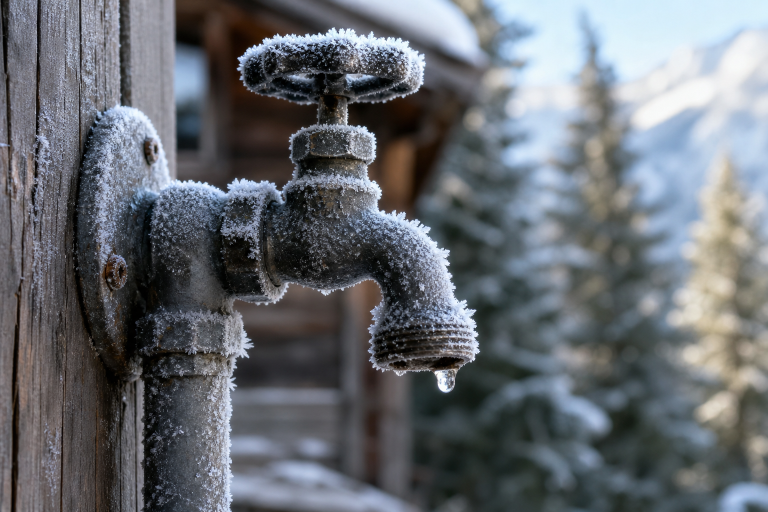
A mountain home can offer privacy, outdoor recreation, striking views, and a slower rhythm of life. Still, the view is only the starting point. Before buying, look beyond finishes and square footage to understand access, land conditions, utilities, weather exposure, local rules, and the practical reality of living there in every season.
For buyers comparing properties in Leavenworth, Wenatchee, Cashmere, and nearby Central and Eastern Washington communities, Leavenworth real estate advisor Camiekae Lynch provides local buying and selling guidance through a site focused on home searches, listings, and the path from initial search to closing. Camiekae Lynch brings long-standing Upper Valley experience, including decades in sales and marketing and extensive knowledge of the regional market, which can be valuable when evaluating mountain properties with unique access, terrain, and maintenance considerations.
Decide How You Will Use the Home
Start with the purpose of the purchase. A full-time residence has different requirements than a weekend retreat, a future retirement home, a family second home, or a rental property. Your intended use should shape every later decision, including location, internet needs, road access, insurance, financing, maintenance planning, and rental compliance.
For example, a remote cabin may be ideal for occasional escapes but frustrating for daily commuting, school drop-offs, medical appointments, or remote work. Be honest about how often you will use the home and what daily conveniences you cannot live without.
Study Access in Every Season
Mountain roads can look simple on a sunny day and become difficult during snow, ice, heavy rain, spring runoff, or fallen-tree events. Find out whether the road and driveway are public, private, shared, or maintained only seasonally. Ask who pays for plowing, grading, drainage repairs, and surface improvements.
- Review recorded road-maintenance agreements and easements.
- Drive the steepest portion of the route in a suitable vehicle.
- Look for tight turns, washouts, low branches, poor sightlines, and limited snow-storage areas.
- Confirm that delivery vehicles and emergency responders can reasonably reach the home.
- Ask neighbors what access is like during the most difficult weather periods.
Verify Water, Septic, and Utilities
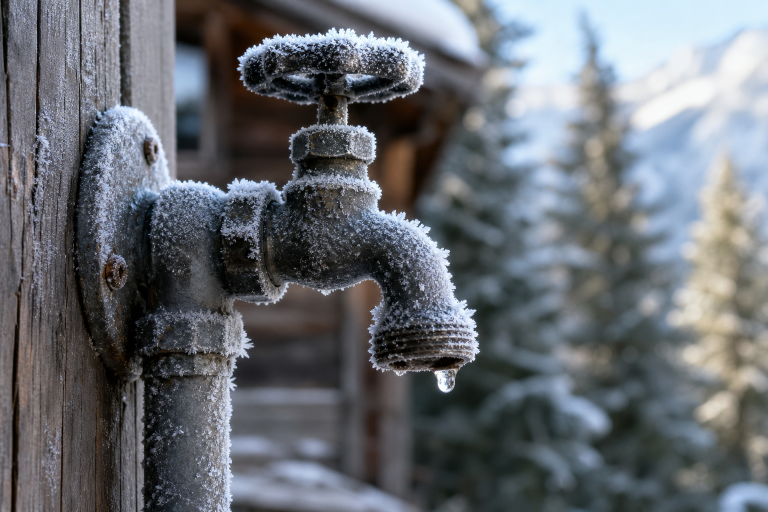
Many mountain properties depend on private wells, septic systems, propane, generators, and shared water arrangements rather than municipal services. Do not wait until after closing to understand these systems. Request permits, service records, system ages, and capacity details before inspection contingencies expire.
Questions Worth Asking
- Is the water source municipal, a private well, or a shared system?
- When was the well last tested for flow and water quality?
- What is the septic system’s age, approved capacity, and maintenance history?
- Where are the drain field, propane tank, utility lines, and generator located?
- Can the existing systems support added bedrooms, guests, or a future addition?
A general home inspection may not be enough. Depending on the property, schedule separate inspections for the well, septic, chimney, roof, pest, and utilities with qualified local professionals.
Check Terrain, Drainage, and Structural Conditions
Sloped land creates concerns that may be less visible in conventional neighborhoods. Walk the property after rain, if possible; inspect retaining walls and look for erosion, standing water, exposed roots, cracked pavement, or signs that the soil has shifted. Check crawlspaces, lower levels, decks, and foundations closely for moisture intrusion or movement.
Ask directly about past flooding, landslides, driveway washouts, drainage repairs, and retaining-wall work. A mountain-experienced inspector, surveyor, or geotechnical professional can add a useful perspective when terrain or structural conditions raise questions.
Review Wildfire, Flood, and Weather Exposure
Risk research belongs early in the purchase process. Review evacuation routes, wildfire history, local drainage paths, snow-load expectations, winter power reliability, and the likelihood of frozen pipes or ice dams. Recent reporting on mountain-home wildfire survivability also highlights why defensible space, vegetation near structures, water access, and property access matter during an emergency.
- Check roofing, decks, fencing, and vegetation for combustible materials near the home.
- Identify where runoff travels during heavy rain or snowmelt.
- Ask whether backup heat, stored water, or a generator is advisable.
- Confirm where snow will be pushed so it does not block parking, doors, or drainage.
Get Insurance Quotes Before Making an Offer
A property can fit your purchase budget but still create a difficult ownership budget once insurance, deductibles, exclusions, and mitigation requirements are considered. Provide the exact address to more than one insurance professional before you are fully committed.
- Ask about wildfire, flood, earthquake, landslide, and water damage coverage.
- Compare deductibles, limits, replacement-cost estimates, and exclusions.
- Find out whether mitigation work affects eligibility or pricing.
- Add the actual quote to your monthly and annual ownership estimate.
Measure Connectivity and Daily Convenience
Test cell service at the house, in the driveway, and on nearby roads. Confirm actual internet speeds with the provider rather than relying on a listing description. Also measure travel times to grocery stores, fuel stations, healthcare facilities, schools, and package pickup locations. A 25-minute summer drive may be a very different trip during winter weather.
Spend time in the community on a busy weekend and a quiet weekday. This helps reveal traffic, noise, parking, local rhythms, and whether the location fits your desired lifestyle.
Understand Rental and Improvement Rules
Before counting on rental income or planning changes, review county zoning, short-term rental requirements, HOA rules, occupancy limits, parking restrictions, pet rules, and permit requirements. A deck expansion, garage, well upgrade, septic modification, or accessory structure may require approvals that affect cost and timing.
Compare Total Ownership Cost, Not Just List Price
Build a realistic budget that includes more than the mortgage. Typical mountain-home expenses may include property taxes, insurance, road dues, snow removal, driveway work, well and septic service, propane, firewood, generator upkeep, exterior maintenance, travel costs, and property management for nonresident owners.
Mountain destinations remain appealing for lifestyle reasons, but broad market coverage should never replace property-level analysis. Compare similar homes with comparable access, utility setups, terrain, condition, and year-round usability.
Think About Resale From Day One
Future buyers often value dependable access, usable outdoor space, practical parking, natural light, storage, strong internet, documented systems, and reasonable maintenance. A dramatic location can be memorable, but a steep driveway, unusual layout, limited parking, or complicated private systems may narrow the resale audience.
Common Buyer Questions
Is a mountain home suitable for full-time living?
It can be, provided that roads, utilities, internet access, healthcare access, and daily services work for your household throughout the year.
Should buyers visit in winter?
Whenever possible. Winter can reveal heating performance, snow accumulation, ice, driveway access, roof design, and travel conditions that summer visits can hide.
Can a mountain home be a short-term rental?
Possibly, but local permits, taxes, insurance, zoning, HOA rules, parking, and occupancy limits should be confirmed before relying on projected income.
Let the Property Prove Itself
Mountain homeownership can be deeply rewarding when the practical details match the dream. The strongest purchase is not always the home with the biggest view. It is the one with dependable access, sound systems, manageable upkeep, suitable insurance, clear rules, and a lifestyle that works in every season.