

Keeping your roof clean and well-maintained is vital to the health and durability of your home. A well-cared-for roof protects against weather damage, maintains energy efficiency, and preserves your property’s value. For those in Columbus and similar areas, regular roof cleaning can significantly improve the appearance and longevity of your roofing materials.
Over time, exposure to the elements leaves roofs vulnerable to the accumulation of debris, the growth of moss or algae, and moisture-related issues. Homeowners must adopt a proactive approach to prevent structural problems and keep their roofs looking their best. Partnering with professionals for specific tasks and knowing the right frequency for inspections and cleanings is essential for effective roof care. Along with roof maintenance, homeowners often benefit from pressure washing other exterior surfaces. This can refresh siding, driveways, and walkways, helping create a consistently clean and welcoming property exterior.
Regular Roof Inspections
Most home maintenance experts recommend inspecting your roof at least twice per year, ideally in spring and fall. During inspections, look for cracked, curled, or missing shingles, as well as signs of water stains or dark streaks on roofing materials. Pay special attention to areas around chimneys, skylights, flashing, or where tree branches overhang the roof, as these spots are particularly prone to leaks or moss buildup. Noticing these issues early allows for prompt repairs before water can penetrate the underlying roof deck or insulation.
Cleaning Debris and Vegetation
Leaves, pine needles, and small branches tend to collect on roofs, especially if trees surround your home. This organic material holds moisture, which can deteriorate shingle granules and lead to mold growth. It is best to clear debris several times per year or immediately after a windy storm. Use a soft broom, leaf blower, or garden hose, but never a pressure washer for shingles unless a roofing professional specifically recommends it. Excessive force can damage roofing materials and reduce their lifespan.
Tackling Moss and Algae
If you notice thick moss or black-streaked algae patches, address them before they spread. Moss acts like a sponge, holding water against shingles and accelerating rot. Algae eat away at shingle materials and discolor the roof. You can use a store-bought roof cleaner or a solution of equal parts water and bleach. Spray affected areas, let it sit for 15–20 minutes, then rinse gently. Installing copper or zinc strips near ridge lines helps naturally deter recurring growth.
Gutter Maintenance and Drainage
Gutters channel rainwater away from your roof and home’s foundation, preventing water infiltration and erosion. When gutters become clogged with debris, water backs up and can soak into the roof edges or fascia boards, increasing the risk of rot and leaks. Clean gutters at least twice annually, or more often if you live under heavy foliage. Check that downspouts are clear and extend at least four feet from your foundation. Gutter guards or mesh screens can reduce maintenance needs, but should still be checked regularly for blockages.
When to Hire a Professional
While homeowners can handle much routine roof cleaning, some situations call for expert help. If your roof is steep, slippery, or more than 2 stories high, prioritize your safety and hire a qualified local roofing or exterior cleaning specialist. Pros have the proper equipment to work safely and effectively remove tough stains, embedded moss, or deep grime without risking damage.
Effective Preventive Measures
Trimming back tree limbs that overhang your roof minimizes shade and organic debris, reducing the conditions that foster moss and algae. Also, consider applying roof-safe preventive treatments or installing metal strips that leach minerals, which slow moss and algae growth over time. Prevention can save homeowners substantial time and repair costs over the years.
Safety Considerations During Roof Maintenance
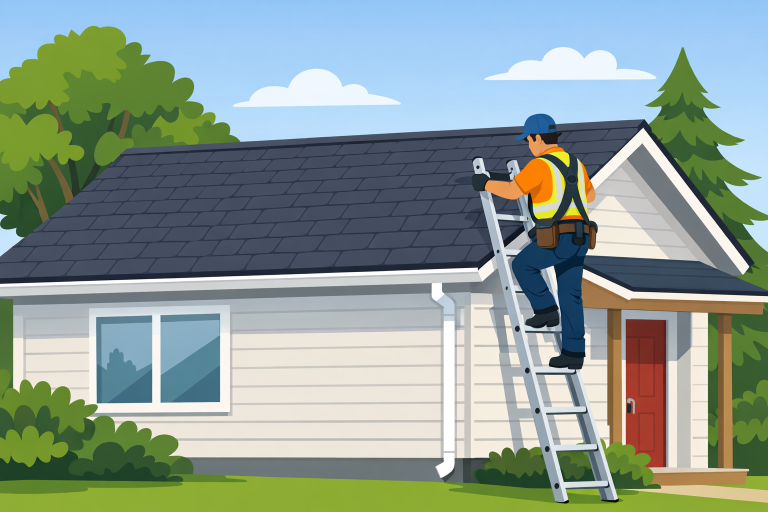
Any task involving ladders, heights, or slick surfaces carries significant risk. Use extension ladders on stable, level ground and avoid leaning ladders directly onto gutters, which can bend or collapse. Wear non-slip footwear and consider a safety harness for extra protection when working on steep or high roofs. Never work alone and avoid cleaning the roof during wet or windy weather.
Conclusion
Investing in regular roof inspections, periodic debris clearing, and prompt moss or algae removal can prevent many of the most common causes of roof deterioration. Well-functioning gutters and preventive measures, such as pruning trees and installing moss-resistant strips, further protect your roofing. For complex or high-risk tasks, always turn to experienced professionals who ensure the job is done safely and thoroughly. With these best practices, your roof will remain a strong, clean barrier against the elements for many years to come.