
Choosing the Right Kitchen Cabinets
Selecting the perfect kitchen cabinets comes down to blending practicality with visual appeal. Homeowners today demand storage solutions that are as stylish as they are durable. The latest industry trends reveal a shift toward finishes, textures, and colors that create both functional and beautiful kitchens. Whether remodeling or building new, exploring unique kitchen cabinets is the starting point for a space that feels both current and inviting.
A growing number of designers and homeowners are ditching cookie-cutter cabinetry for pieces that express personal style. Current preferences point to materials and designs that will remain relevant in the long term while also reflecting the natural world. Sustainability, customization, and ease of use are now as important as color or finish. Cabinets are no longer just storage; they set the tone for the entire kitchen.
In line with kitchen and bath design, it is also evolving. New trends in bathroom cabinets mirror many of the same priorities, blending quality craftsmanship, natural materials, and adaptability for spaces large and small.
The Rise of Natural Wood Finishes
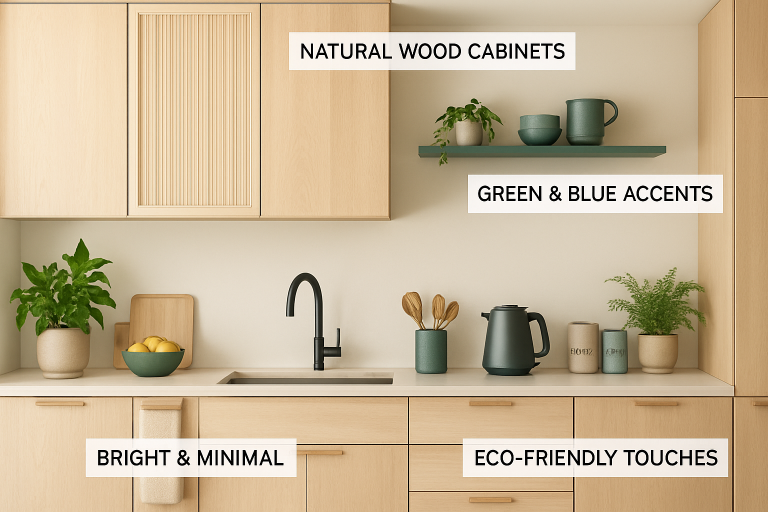
Authentic materials continue to anchor kitchen design. Natural wood cabinets, particularly those with visible grain patterns, have seen a resurgence in popularity. Light to mid-tone woods, like white oak, are favored for their clean appearance and ability to harmonize with any décor. The subtle grain provides visual warmth and offers a timeless quality that adapts well to both traditional and modern kitchens.
A recent study by the National Kitchen & Bath Association (NKBA) found a nearly 40 percent increase in homeowners selecting wood-finished cabinetry. These cabinets often forgo glossy sealants in favor of natural oils or low-sheen lacquer, which enhance the grain and allow the wood to develop character over time.
Fluted and Reeded Cabinet Designs
Textured cabinet fronts have taken center stage in kitchen design for 2026. Fluted and reeded details, characterized by vertical grooves or ridges, add subtle drama and tactile interest. This approach breaks up expanses of flat surfaces and helps reflect natural light throughout the space.
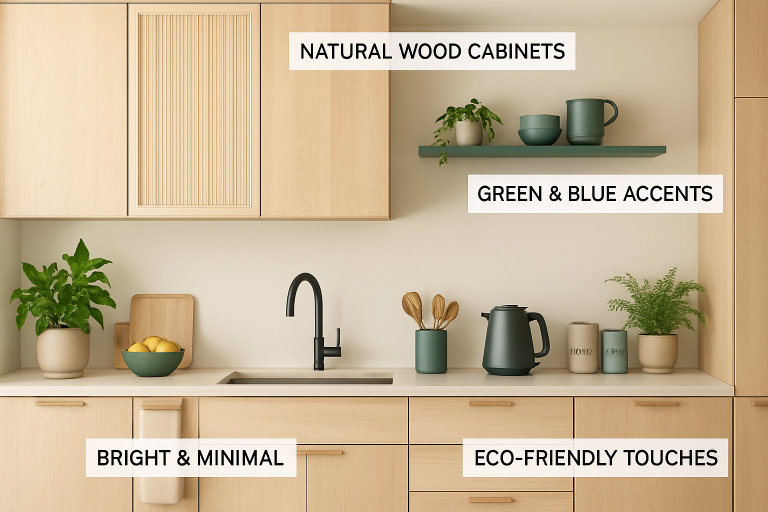
As homeowners look for ways to personalize their kitchens without committing to bold colors or patterns, fluted cabinets are a versatile solution. They work beautifully with both natural woods and painted finishes. This design can be used on all cabinetry or reserved for island fronts or upper cabinets to create a signature focal point.
Embracing Earthy Color Palettes
Earthy and muted color palettes are growing in popularity. Olive greens, muted terracotta, ochre, and clay tones help create a direct connection to the outdoors, providing a calming backdrop for busy kitchens. These shades pair well with natural wood or can serve as a distinctive pop of color among otherwise neutral cabinetry.
Blue and green cabinetry remain a top choice for those who want a kitchen that feels unique but not overwhelming. These hues are also known for their calming effects and suitability across a range of décor styles.
Sustainable Materials and Eco-Friendly Finishes
More than ever, homeowners want to make eco-conscious decisions. Sustainable cabinetry material options, such as FSC-certified wood, reclaimed wood, and low-VOC finishes, have moved from niche to mainstream. Surfaces that age gracefully and require less intensive maintenance are favored both for their lower environmental impact and long-term durability.
It is not just the materials making a difference. Minimal use of synthetic sealants and a preference for natural oil or wax finishes have grown in response to health and sustainability concerns. These choices allow the natural characteristics of wood to shine while reducing chemical exposure in the home.
Minimalist Cabinet Styles
Minimalism continues to define the latest cabinetry trends. Handleless doors, slab fronts, and push-to-open mechanisms create uninterrupted visual lines that help even small kitchens feel larger. Less ornamentation emphasizes quality craftsmanship and draws attention to natural materials or subtle finish choices.
These clean-lined cabinets are especially flexible, suiting a range of kitchen layouts from ultra-modern to transitional. Minimalist cabinetry can serve as a foundation for bold backsplashes, dramatic countertops, or statement lighting.
Combining Materials and Textures
Designers are mixing things up for 2026. Instead of sticking to a single material or finish, there is a move toward blending elements within the same space. For example, a kitchen might combine matte-painted cabinets with natural wood, fluted detailing, and textured glass inserts. This mix-and-match approach allows for increased customization and a layered, high-end look.
Combining various cabinet finishes and materials can also help define functional zones within open-concept layouts. The result is a kitchen that feels curated, cohesive, and truly unique to each homeowner’s style and needs.
Conclusion
Ultimately, choosing the best materials and styles for kitchen cabinets means balancing timelessness, utility, and sustainability. Natural wood textures, fluted details, calming color palettes, and environmentally friendly finishes all contribute to kitchens that feel as good as they look. For homeowners seeking more ideas on cabinetry options and current trends, reputable resources like Homes & Gardens offer thorough guides and inspiration.
With the right combination of elements, any kitchen can become a welcoming, personalized hub where longevity and style go hand in hand.