
Indoor air quality (IAQ) is often overlooked, yet it has a profound impact on our health and well-being. With people spending nearly 90% of their time indoors, the spaces where we live, work, and learn play a critical role in shaping our daily exposure to both visible and invisible airborne pollutants. The importance of indoor air quality is highlighted by major global health events and increased remote work, underscoring how the air we breathe indoors can shape our long-term health outcomes. Addressing invisible threats like VOCs, dust, and mold is essential for healthy living. Regular maintenance, including duct & vent cleaning, can help reduce harmful buildup and promote cleaner indoor air.
Many everyday activities—from cooking and burning candles to using household cleaners and spraying personal care products—can introduce hazardous particles and chemicals into our homes without us even realizing it. Poor ventilation or infrequent cleaning allows these contaminants to accumulate in the indoor environment, increasing the risk of allergies, asthma, and other illnesses. In children and elderly populations, the effects of bad air quality are even more pronounced, leading to worse long-term health consequences. By recognizing the impact of our environment on health, homeowners and business owners alike can take proactive steps to improve air quality and protect their families, employees, and customers.
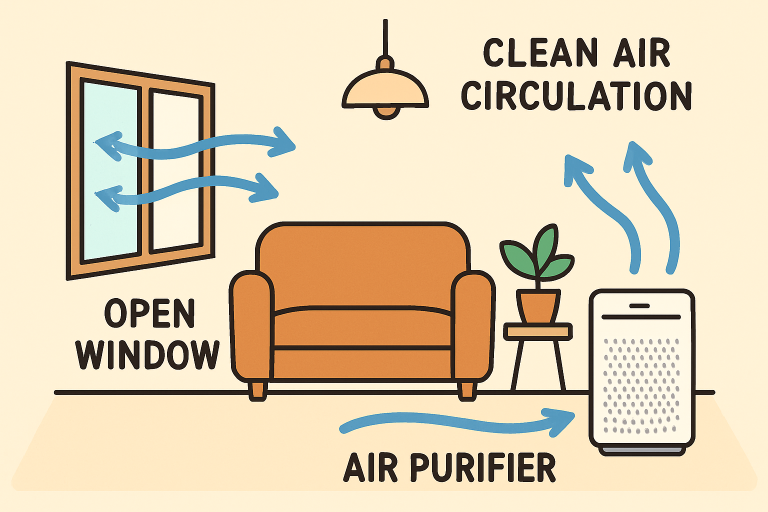
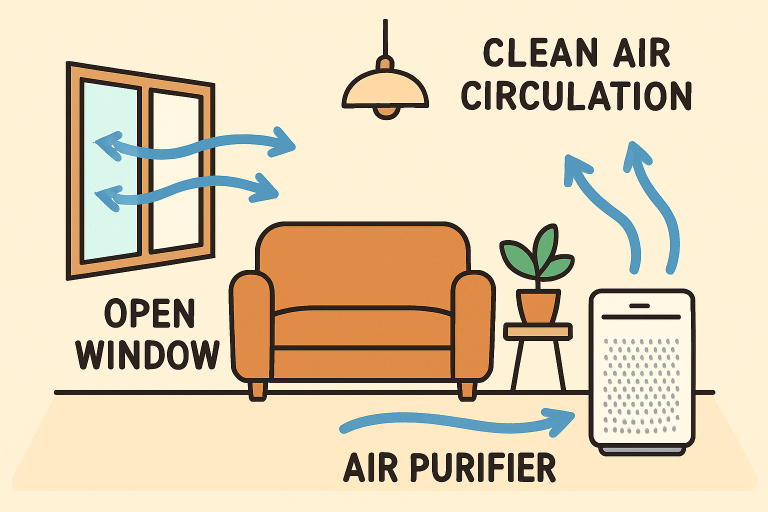
Simple interventions, such as opening windows for a few minutes each day, adopting natural cleaning methods, or investing in modern air purification technology, can make a substantial difference in reducing indoor pollutants. While health impacts from poor IAQ are sometimes gradual and subtle, their cumulative effects over months or years are significant. They can lead to chronic conditions that may otherwise be preventable. For people with respiratory sensitivities, even minor improvements in air quality can provide substantial relief and a better quality of life.
Understanding Indoor Air Pollutants
Indoor pollutants come from a wide range of sources. Some are brought in from outside through open windows, while others are tracked in on shoes and clothing. Others are directly generated by the materials and everyday products found within our homes and buildings. The importance of indoor air quality cannot be overstated, as it directly influences respiratory health, overall comfort, and daily productivity. Maintaining indoor air quality effectively helps reduce the risk of allergies, asthma flare-ups, and long-term exposure to harmful contaminants. Proper identification and management of these pollutants are crucial, as indoor pollution can be several times higher than outdoor pollution. Common pollutants to be aware of include:
- Volatile Organic Compounds (VOCs): These chemicals are emitted into indoor air from products such as paints, solvents, aerosol sprays, cleaning agents, and even new carpeting or furniture. Prolonged exposure to VOCs can trigger headaches, dizziness, and eye irritation, and even long-term health effects such as liver or central nervous system damage. These compounds can react with other indoor pollutants, creating an even more complex health hazard.
- Mold and Mildew: Found in damp or humid areas like basements, bathrooms, or around plumbing leaks, mold releases spores that can aggravate allergies, cause respiratory issues, and even lead to more severe conditions in sensitive groups. Small leaks, unnoticed moisture, or consistently high humidity can create ideal conditions for their growth, making vigilant maintenance essential.
- Particulate Matter (PM): This includes microscopic dust, soot, pet dander, pollen, and other particles generated by activities such as cooking, indoor smoking, burning candles or incense, and even the wear-and-tear of building materials. These particles can infiltrate deep into the lungs and bloodstream, posing serious health risks over time, especially in vulnerable populations.
Health Impacts of Poor Indoor Air Quality
The health consequences of breathing polluted indoor air can be immediate or develop over time, ranging from mild irritation to severe chronic conditions. The population most at risk includes young children, the elderly, and those with pre-existing health conditions, but everyone can suffer adverse effects from poor IAQ. These impacts include:
- Respiratory Issues: Poor IAQ worsens asthma symptoms, causes airway inflammation, and is strongly linked to chronic respiratory illnesses such as bronchitis and chronic obstructive pulmonary disease (COPD). Even healthy adults can develop new sensitivities or experience frequent respiratory infections when exposed to high levels of indoor air pollution.
- Cardiovascular Diseases: Research has found that air pollution can increase the risk of heart attacks, high blood pressure, and strokes. Delicate particulate matter exacerbates inflammation throughout the body, which can contribute to plaque buildup in arteries and increase risk for acute and chronic cardiac events.
- Mental Health Effects: Emerging studies suggest a link between indoor pollutants and higher rates of anxiety, cognitive decline, and depression, due to the neuroinflammatory impacts of poor air. Even moderate exposure to chemical fumes or dust may lead to headaches, brain fog, and difficulty concentrating, particularly in sensitive individuals.
Strategies to Improve Indoor Air Quality
Tackling indoor air quality issues doesn’t always require expensive or complicated solutions. With awareness and consistent practices, you can drastically reduce the negative impact of indoor pollutants. These practical steps can make a substantial difference:
- Increase Ventilation: Open windows and use exhaust fans regularly to facilitate the exchange of indoor and outdoor air, which helps dilute and remove accumulated pollutants, especially in kitchens and bathrooms.
- Use Air Purifiers: HEPA-filter air purifiers are highly effective in removing tiny particles, allergens, and some bacteria or viruses that regular cleaning might miss. Place purifiers in frequently used rooms for the most significant benefit.
- Maintain HVAC Systems: Schedule routine maintenance and replace filters on time to prevent dust and contaminants from circulating back into your living spaces. Regular professional duct cleaning also removes dust and allergen reservoirs within your system.
- Control Humidity Levels: Maintaining indoor humidity between 30% and 50% discourages mold growth and dust mite proliferation. Using dehumidifiers and promptly fixing leaks helps keep moisture in check and improve comfort.
- Choose Low-VOC Products: Opt for paints, finishes, cleaning products, and furnishings labeled “low VOC” to reduce chemical exposure, especially during renovations or when bringing new items into your space.
The Role of Building Design in IAQ
Advances in energy-efficient building design, such as tighter insulation, weatherstripping, and improved window seals, have reduced energy costs but can sometimes result in poorer air exchange between indoor and outdoor environments. While these design strategies help conserve energy, they can trap contaminants inside unless ventilation needs are also addressed. Builders and renovators need to prioritize advanced ventilation systems and select construction materials that emit fewer chemicals over time. Sustainable design principles can limit the buildup of pollutants, support better IAQ, and create healthier, more enjoyable living and working environments well into the future.
Monitoring Indoor Air Quality
Technology now makes it easier than ever to assess real-time air quality and respond before problems worsen. According to the EPA, consumer-grade indoor air quality monitors can detect carbon monoxide, particulate matter, and VOCs, providing at-a-glance data that helps occupants understand what is happening in their indoor environment. The EPA’s guidance on low-cost air pollution monitors and indoor air quality highlights how these tools can support informed decisions when reviewing air quality readings in homes and workplaces. Many modern monitors sync with smartphones and trigger alerts when pollutant levels exceed recommended thresholds, allowing homeowners and businesses to react quickly. These early warnings can help prevent minor air quality issues from escalating into more serious health concerns by enabling timely mitigation.
Conclusion
Understanding and proactively managing the hidden connection between indoor air quality and health is crucial for all building owners and occupants. Simple habits like adequate ventilation, scheduling regular professional cleaning, avoiding sources of excess moisture, and embracing modern monitoring tools can truly transform indoor environments. By staying informed and taking action today, you set the foundation for long-term health and safety for everyone who walks through your door, delivering both peace of mind and tangible health benefits in the long run.